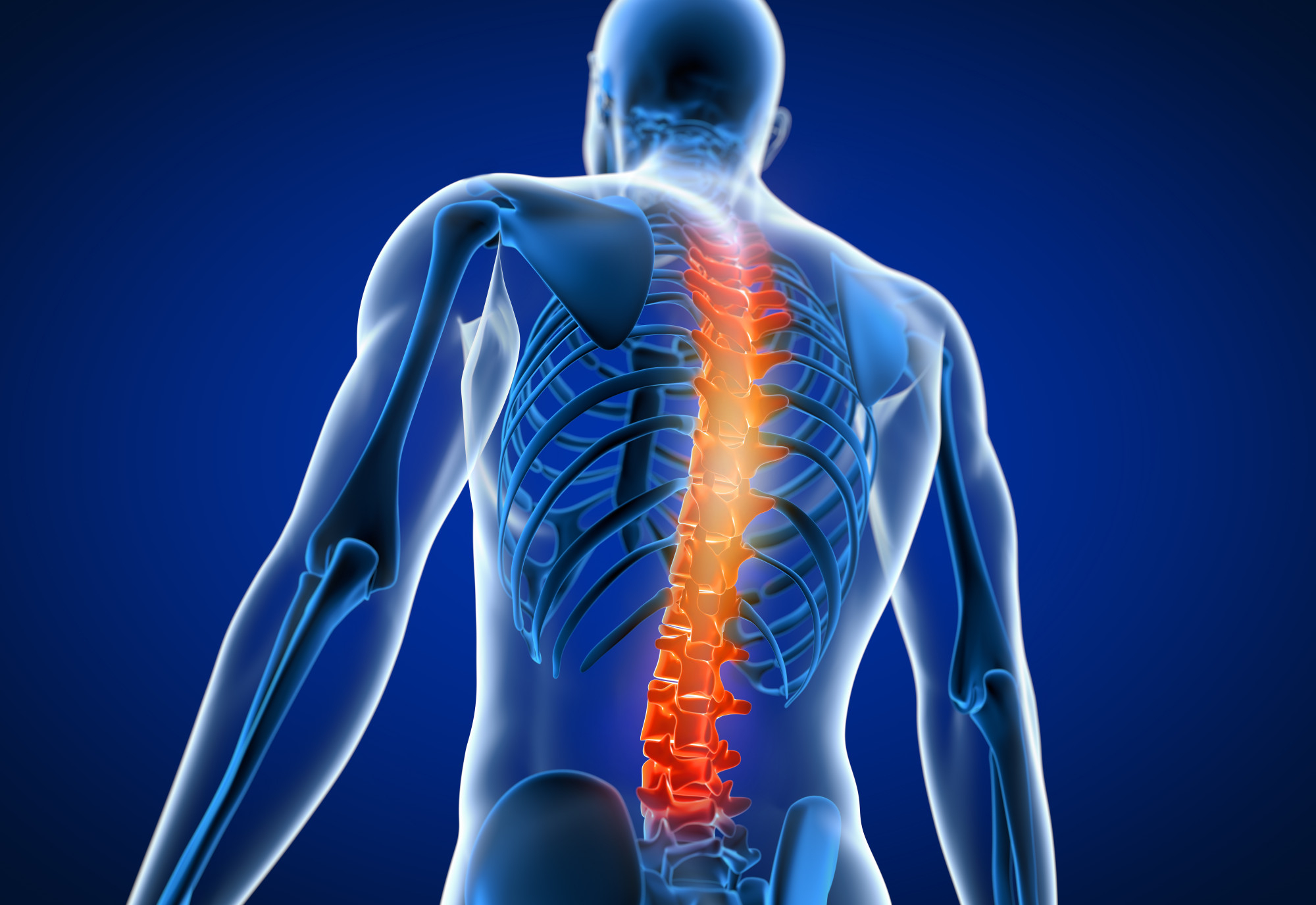
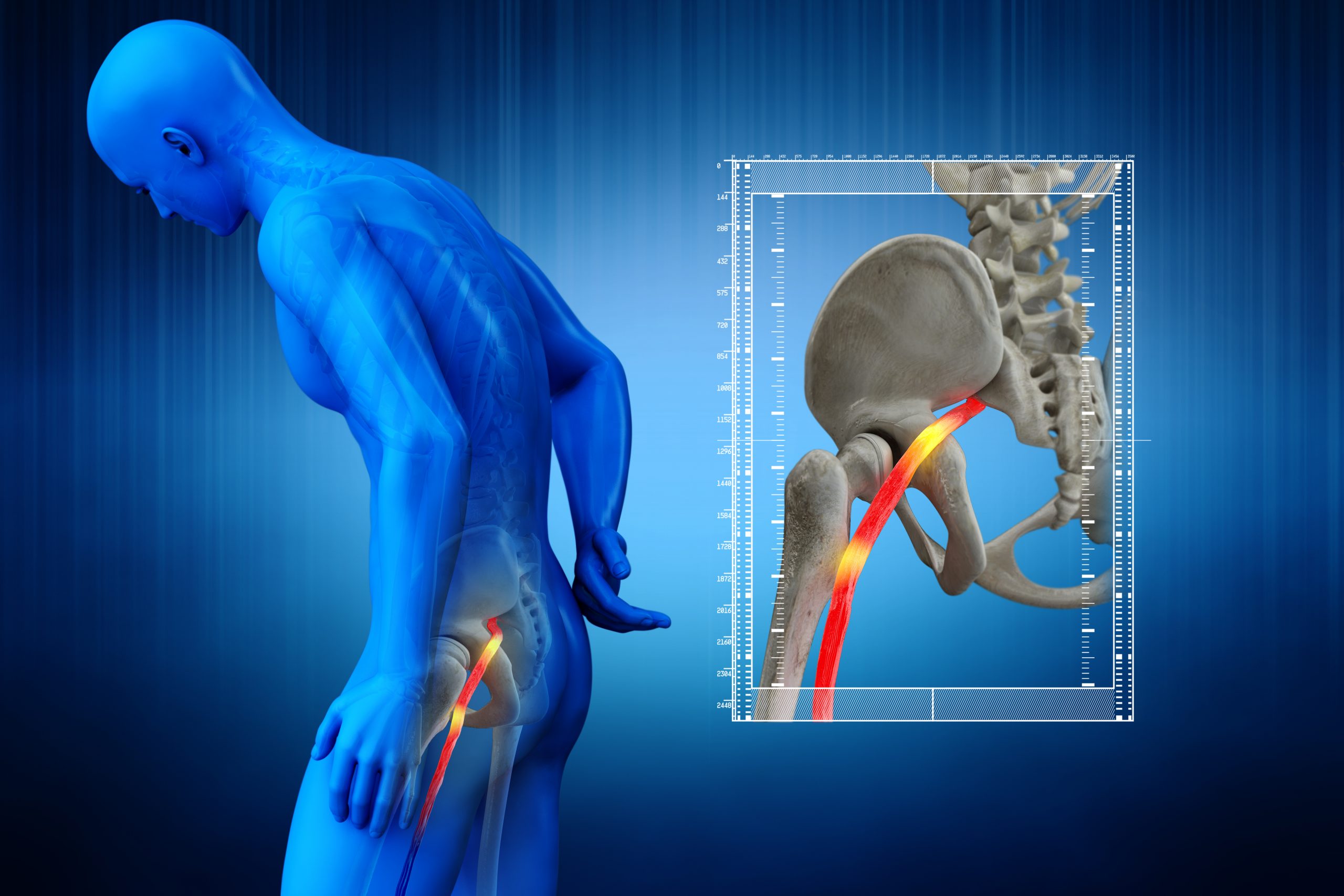
Sciatica is well-known for its hallmark symptom: pain that shoots from your lower back down one of your legs, even affecting your foot. Ripul Panchal, DO, and the team at American Neurospine Institute have extensive experience helping patients get relief from sciatica, beginning with conservative treatments, then talking about surgery after nonoperative options have been exhausted. To get help with your sciatica, call the office in Frisco, Texas, or schedule an appointment online.
Sciatica Q & A
What causes sciatica?
Sciatica is a group of symptoms caused by a compressed sciatic nerve. In most cases, the nerve is pinched at the spine, but it may also be compressed by muscles in the buttocks, a condition called piriformis syndrome.
The sciatic nerves leave the spinal canal at the base of your spine, travel through your buttocks, then go down each leg, all the way to your toes.
The nerve is often compressed by spinal conditions such as:
- Herniated disc
- Spinal stenosis
- Bone spurs
- Slipped vertebra
- Degenerative disc disease
About 90% of all cases of sciatica are caused by a herniated disc.
What symptoms develop due to sciatica?
Sciatica usually affects one leg, typically causing a severe, shooting pain that starts in the lower back and radiates down through the buttock and leg. However, each person experiences pain differently, so it may feel more like cramping, burning, or aching. Your pain may be worse when you sneeze or cough, or after sitting for a long time. Some people also develop numbness, tingling, or muscle weakness along the nerve.
How do spine specialists treat sciatica?
Sciatica may heal with nonsurgical treatment such as medication and physical therapy. While you wait for it to heal, severe pain may be relieved with steroid injections. If you still have pain after a few months of conservative treatment, you may be a good candidate for surgery.
If your sciatica is caused by a herniated disc, the best surgical option is a minimally invasive discectomy to remove the damaged disc. While many physicians then perform a bone fusion, Dr. Panchal specializes in disc replacement rather than a fusion.
A bone fusion stabilizes your spine but prevents the fused vertebrae from moving. By comparison, a disc replacement restores stability and preserves spinal mobility.
What are the benefits of minimally invasive spinal surgery?
Dr. Panchal’s expertise in minimally invasive spine surgery allows him to use very small incisions and do your surgery using narrow instruments that fit through the incision. He also leaves muscles intact, gently stretching them so the instruments can pass through the muscles rather than cutting the fibers.
Depending on the type of surgery you need, Dr. Panchal may recommend computer-guided or robot-assisted surgery to produce superior results.
You can get relief from sciatica by scheduling an appointment at American Neurospine Institute. Call the office or reserve a time online today.