 Welcome to the American Neurospine Institute comprehensive guide on spinal stenosis. We understand that dealing with spinal stenosis can be challenging, and our team is here to provide you with valuable information to help you navigate this condition. In this blog, we’ll explore the causes, symptoms, diagnosis, and treatment options for spinal stenosis, shedding light on how the American Neurospine Institute can assist you in managing this condition.
What Is Spinal Stenosis?
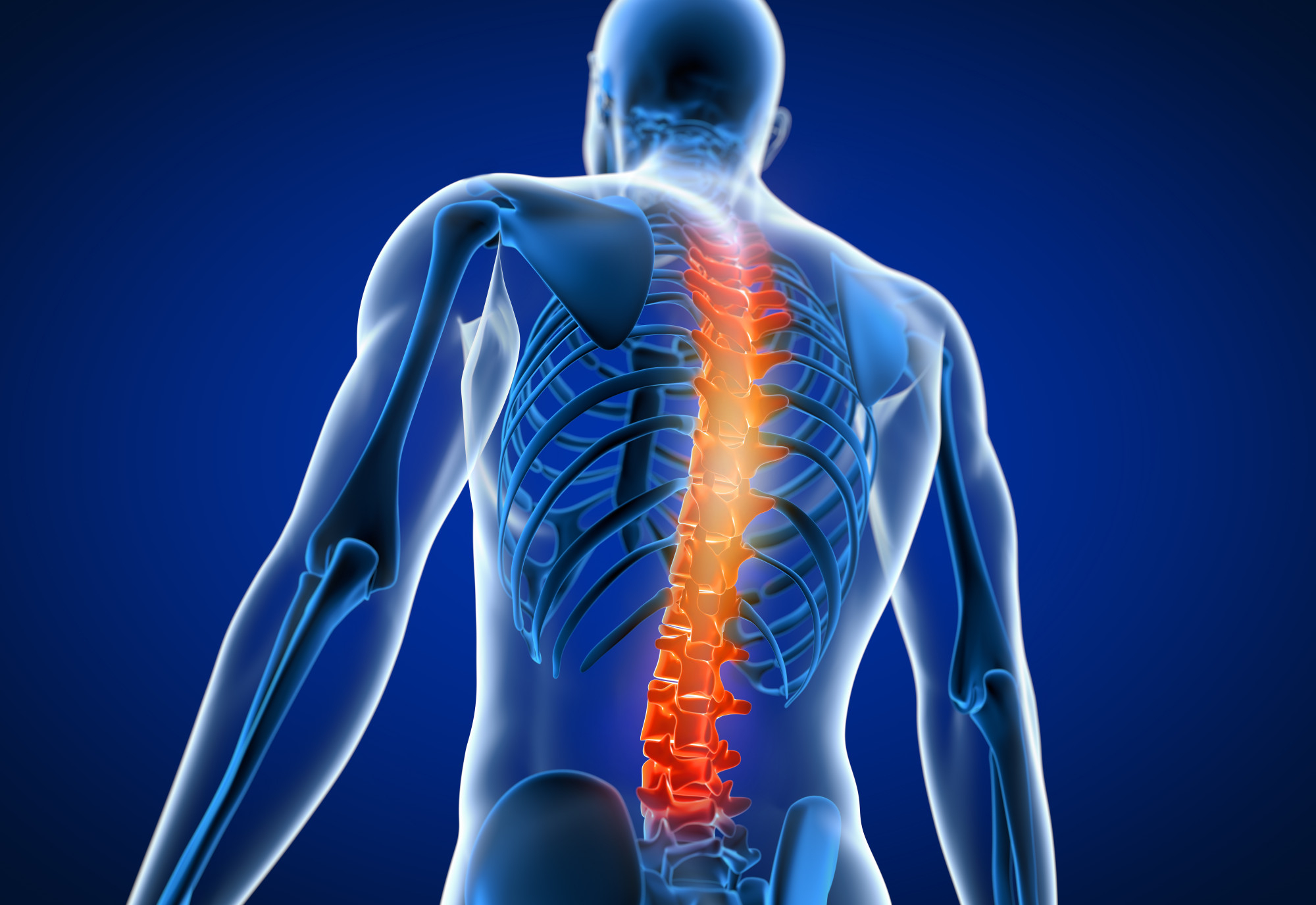
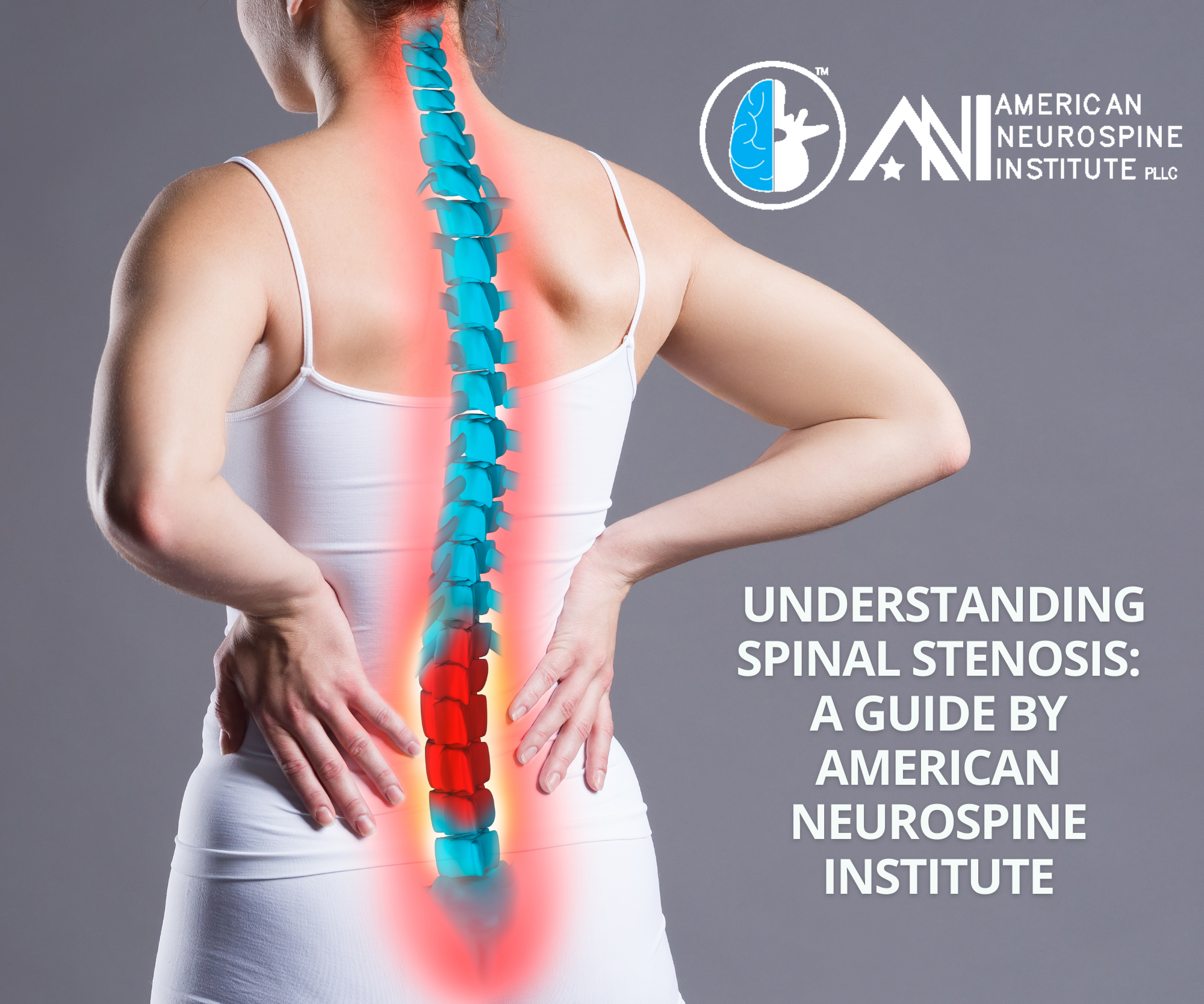
Spinal stenosis is a common medical condition that affects the spine, leading to the narrowing of the spinal canal. This narrowing can put pressure on the spinal cord and the nerves within it. The American Neurospine Institute is dedicated to diagnosing and treating spinal stenosis, helping patients regain their quality of life.
Common Causes of Spinal Stenosis
Understanding the causes of spinal stenosis is crucial in managing the condition effectively.
Several factors can contribute to spinal stenosis, such as:
- Age-related changes: As we age, our spine naturally undergoes wear and tear, leading to degenerative changes in the spinal canal.
- Arthritis: Conditions like osteoarthritis or rheumatoid arthritis can cause inflammation and bone spurs that compress the spinal canal.
- Herniated discs: When the discs between the vertebrae bulge or rupture, they can impinge on the spinal canal.
- Tumors: Abnormal growths within the spine can result in spinal stenosis.
Symptoms of Spinal Stenosis
Spinal stenosis can manifest with various symptoms, depending on the location and severity of the narrowing. Common symptoms include:
- Back or neck pain
- Numbness or tingling in the extremities
- Muscle weakness
- Difficulty walking or maintaining balance
- Radiating pain down the legs (in lumbar stenosis) or arms (in cervical stenosis)
Diagnosing Spinal Stenosis
Proper diagnosis is vital to determine the most effective treatment plan. At American Neurospine Institute, we employ several diagnostic methods, including:
- Medical history assessment
- Physical examinations
- Imaging tests (X-rays, MRI, CT scans)
- Electromyography (EMG) and Nerve conduction studies
Treatment Options
American Neurospine Institute offers a range of treatment options tailored to each patient’s unique condition and needs. Our treatment approaches include:
- Conservative therapies: Physical therapy, pain management, and anti-inflammatory medications to alleviate symptoms.
- Epidural steroid injections: Targeted injections to reduce inflammation and pain.
- Minimally invasive procedures: Surgical interventions such as laminectomy or foraminotomy.
- Spinal fusion: A surgical procedure to stabilize the spine.
Spinal stenosis is a challenging condition, but with the guidance and expertise of American Neurospine Institute, you can effectively manage and treat it. Whether you’re experiencing symptoms or seeking a second opinion, our dedicated team of neurospine specialists is here to help you regain your mobility and quality of life. Don’t let spinal stenosis hold you back – contact American Neurospine Institute today for expert care and personalized treatment options.